A Naturopath’s Guide to Coming Off the Pill
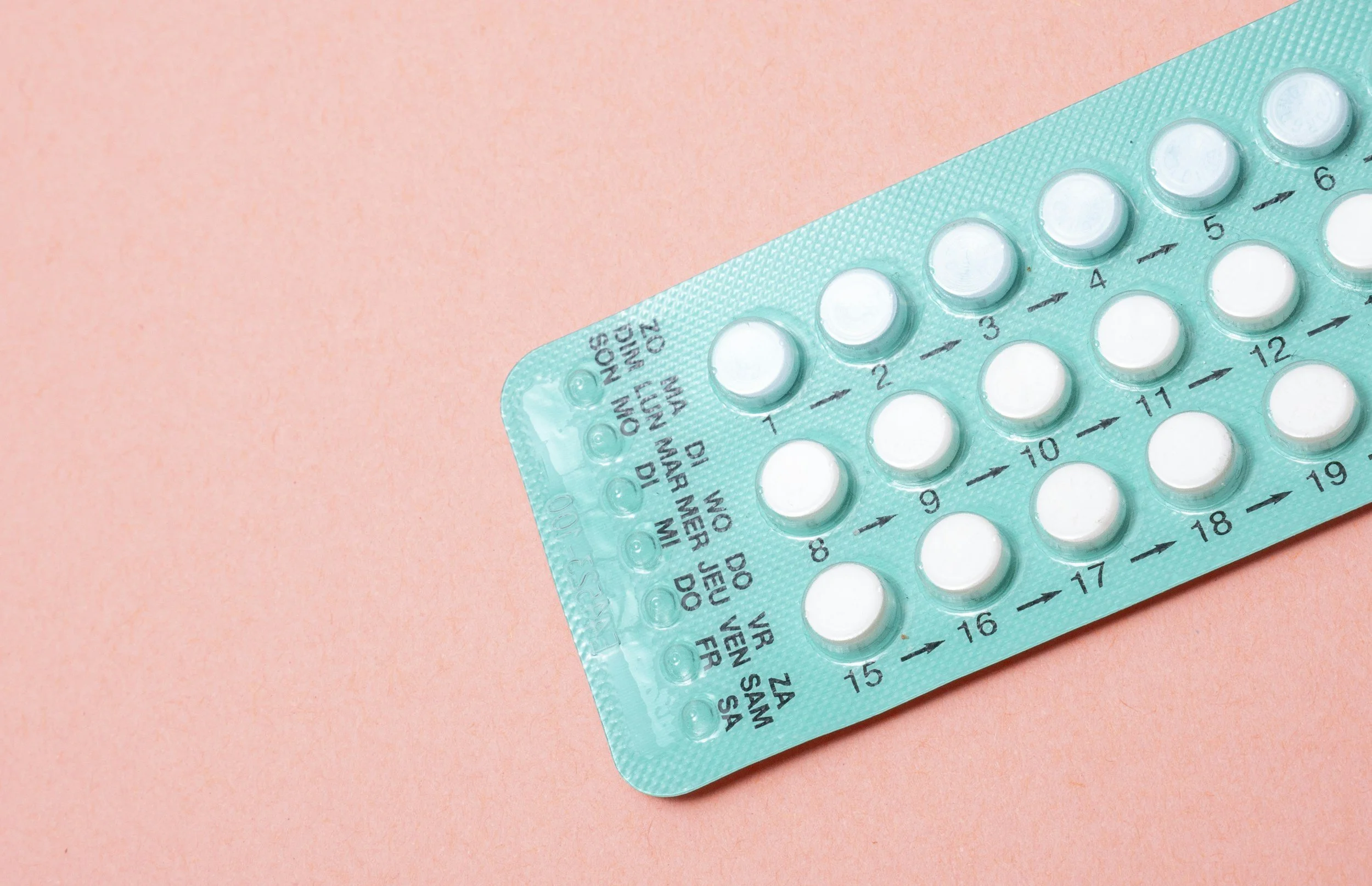
This blog post outlines what I commonly see in clinical practice, what’s happening beneath the surface, and how a naturopathic approach can support menstruators through this phase.
As a naturopath working in hormonal health, I often meet menstruators who feel both hopeful and apprehensive about stopping the oral contraceptive pill. Some are excited to reconnect with their natural cycle; others are worried because the pill once helped manage acne, pain, or heavy bleeding. Both responses make sense.
Coming off the pill isn’t simply about discontinuing a medication. Physiologically, it’s a transition period where the body re‑establishes communication between the brain, ovaries, liver, gut and nervous system. How this unfolds is highly individual, and preparation can make a meaningful difference.
What the Pill Does (and Why Symptoms Can Appear After Stopping)
The combined oral contraceptive pill works by suppressing ovulation via synthetic oestrogen and progestin. While on the pill, the hypothalamic–pituitary–ovarian (HPO) axis is essentially placed on pause.
Over time, this suppression can:
· Reduce endogenous hormone production
· Increase demand for specific nutrients (notably B vitamins, zinc, magnesium and folate)
· Alter liver enzyme activity involved in hormone metabolism
· Influence gut function and the enterohepatic recycling of oestrogen
The bleed experienced on the pill is a withdrawal bleed rather than a true menstrual period. Once the pill is stopped, the body must resume ovulation before a true cycle can return. For some, this happens quickly. For others, it takes time.
What I Commonly See After the Pill
There’s a wide spectrum of responses, and none are inherently concerning. In practice, the most common experiences in the first few months include:
· Delayed, irregular or absent periods
· Acne flares, particularly around the jawline
· Mood changes, anxiety or disrupted sleep
· Hair shedding
· Breast tenderness or fluid retention
· The return of PMS or period pain that had been suppressed
These patterns are often described as post‑pill syndrome. While not a formal diagnosis, it’s a useful framework for understanding that the body is recalibrating rather than failing.
Preparing to Come Off the Pill
When possible, I recommend preparing for at least 2–3 months before stopping. This isn’t always feasible, but when it is, outcomes tend to be smoother.
Nourish Before You Remove
Hormone production, detoxification and ovulation are all nutrient‑dependent processes.
A supportive foundation includes: - Adequate protein at each meal - Leafy greens and cruciferous vegetables - Nuts, seeds and legumes - Whole, minimally processed carbohydrates
Supplementation can be helpful, but should be targeted rather than generic.
Support Hormone Clearance
Once endogenous hormone production resumes, efficient clearance becomes essential.
Clinically, I prioritise: - Bitter foods to stimulate bile flow - Fibre to support bowel elimination - Reducing alcohol and ultra‑processed foods
Regulate Stress and Blood Sugar
Ovulation is sensitive to both psychological and physiological stress.
Regular meals, sleep consistency, gentle movement and nervous system support are not “nice extras” — they are central to cycle recovery.
Key Nutrients and Herbs That Support the Transition
The following supports are general and should always be individualised.
Foundational Nutrients
B‑complex vitamins (B6, B12, folate)
Support hormone synthesis, liver detoxification and nervous system function. Long‑term pill use is associated with increased B‑vitamin demand.Magnesium
Supports stress resilience, sleep quality, insulin sensitivity and bowel regularity — all relevant to ovulation.Zinc
Plays a role in ovulation, immune balance and androgen regulation. Often useful in post‑pill acne presentations.Omega‑3 fatty acids
Support inflammatory regulation and hormone receptor sensitivity.Iron (when indicated)
Heavy bleeding may return post‑pill. Testing is essential before supplementing.
Herbal Supports (Used Strategically)
Vitex (Chaste Tree)
One of the most researched herbs for cycle regulation. It can help restore ovulation and regulate your cycle, and must be used under the guidance of a practitioner.Withania (Ashwagandha)
Supports stress adaptation and nervous system regulation, particularly where cortisol is suppressing ovulation.Shatavari
Traditionally used to nourish and support the reproductive system, especially in depleted states.Peony and Licorice (when appropriate)
Often combined to support androgen balance and cycle regularity in post‑pill acne cases.
Liver and Hormone Clearance Herbs
Efficient clearance is as important as hormone production.
· Milk Thistle supports hepatic detoxification pathways
· Globe Artichoke enhances bile flow and oestrogen clearance
· Dandelion Root provides gentle liver and digestive support
Gut‑Focused Support
· Probiotics and prebiotic fibre support the gut–hormone axis
· L‑glutamine may assist gut lining integrity after long‑term pill use
If Periods Don’t Return
If menstruation hasn’t resumed after 3–6 months, or cycles remain very irregular, this warrants investigation rather than reassurance alone.
Depending on presentation, I may explore: - Ovulation markers - Thyroid function - Androgen levels - Nutrient status - Stress hormones - Gut health
This is particularly important if pregnancy is a goal, but also relevant for long‑term hormonal health.
How Naturopathy Can Help
A naturopathic approach looks at the whole system — hormones, gut, liver, nervous system and nutrition — rather than isolating symptoms.
If you’re preparing to come off the pill, experiencing symptoms after stopping, or wanting personalised support for cycle regulation or fertility, working with a qualified naturopath can make this transition more informed and far less stressful.
You’re welcome to book a consultation with me at BG Naturopathy.
This article is general information only and does not replace individual medical advice.